Available modules

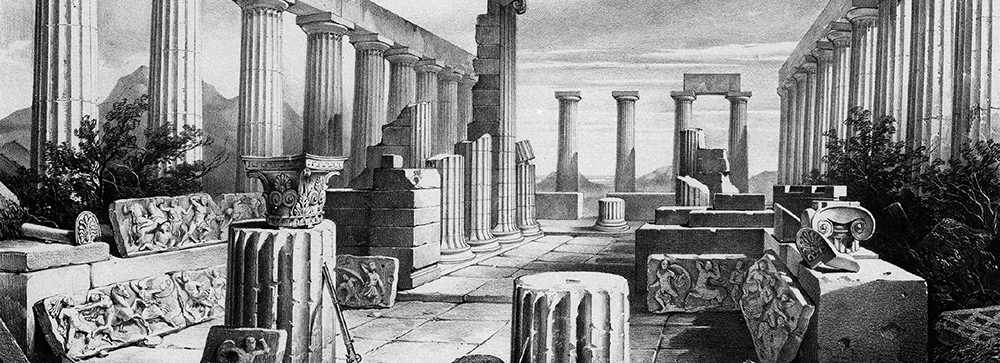
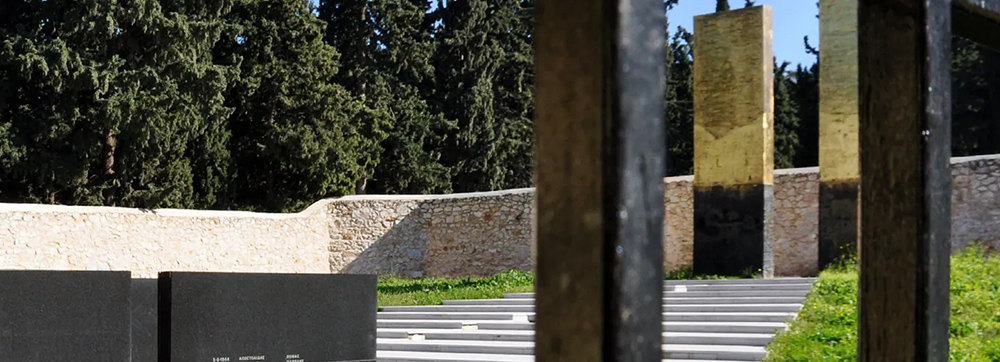
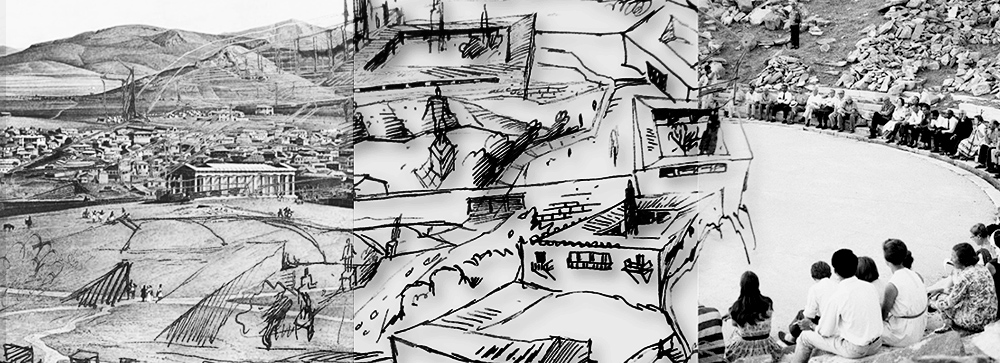
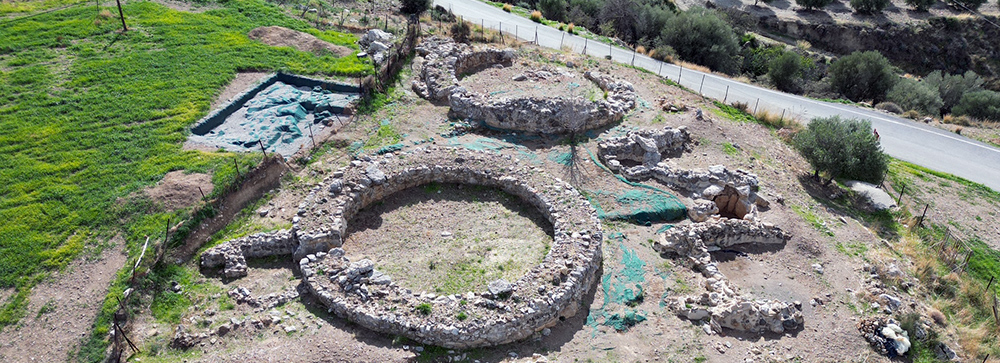
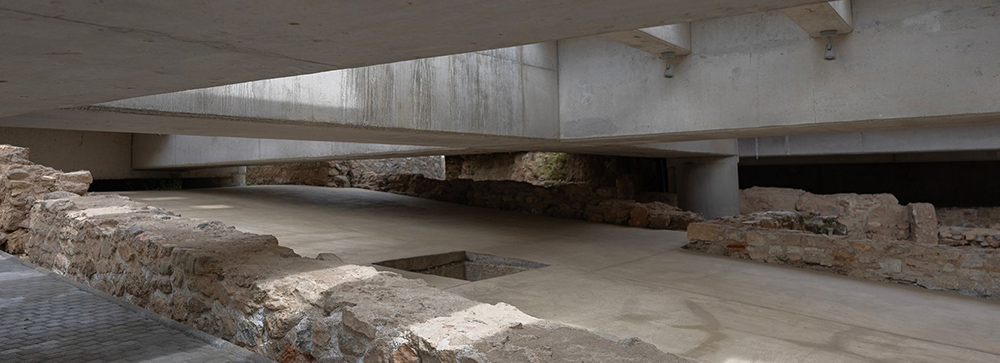
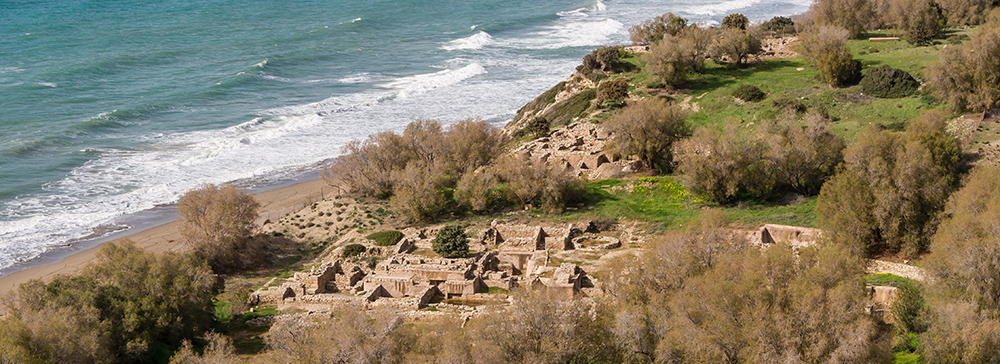
Faculty: Panita Karamanea [Assistant Professor, NTUA], Nelly Marda, [Professor Emerita, NTUA], Chrysostomos Theodoropoulos [Assistant Professor, NTUA] The studio focuses on the enhancement and proper functioning of archaeological sites in relation to the natural landscape, through the development of connectivity and networking scenarios. The design intervention takes place in archaeological sites located in peri-urban or natural landscapes. A contemporary approach is adopted to address these often isolated, abandoned, or hard-to-access areas, aiming to transform them from places of ruins into vibrant public spaces with cultural, social, and economic value.
Content of the Seminar:

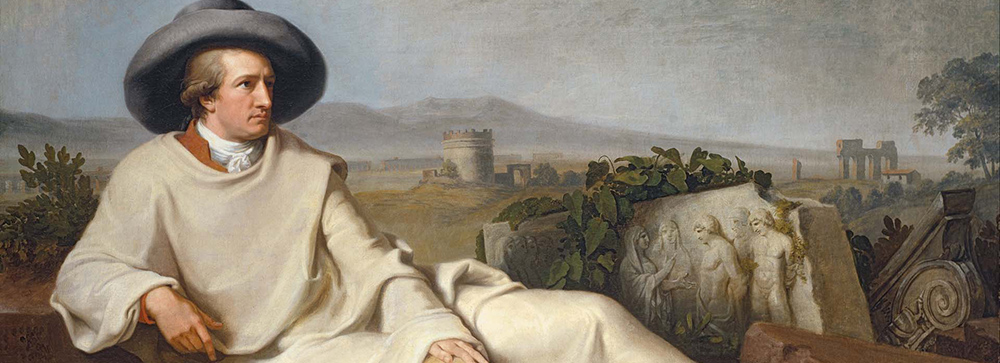
Carl Sauer defined cultural landscape as the result of the action of a social group on a natural landscape, in other words, a human footprint on the territory, a text that can be written and interpreted, or for us, an area associated with an historical event, an activity, or a personage, which contains aesthetic and cultural values.

Students will develop analytical and design competences to address the interrelation between cultural landscapes and urban design and transformation. Through studio-based learning, case studies analysis, and collaborative teamwork, participants evaluate spatial strategies, processes and intervention tools that integrate cultural identity, environmental characteristics, and sustainable development.


Topics covered by the Seminar: 

         Week 1:         

         Introductory lectures, along with the distribution of topics to the students

         Documentation of site analysis, mapping, and interpretation

         Week 2:         

         First presentation of selected cases

         Independent student work and consultation

         Week 3:          

         Oral presentation of assignments and student contributions

         Independent student work and consultation

Individual critical reflection and final report

This seminar will utilize the preservation process outlined in the Burra Charter as the basis for a rational, values-based approach to managing cultural sites. Using the framework of the World Heritage Convention, and its requirements for authenticity and integrity to achieve Outstanding Universal Value (OUV), this seminar has an international focus and will review case studies from both historic and archaeological sites. It focuses on the compilation of background information and identification of the key interested parties; analysis of site significance and assessment of existing conditions and management constraints; and development of the management policy and strategies for its implementation. The delicate balancing act between cultural enhancement and exploitation are explored, as well as the need to periodically monitor and reassess the management policy.

A site will be selected for the students to evaluate in terms of authenticity. Following a values-based approach, the students will analyze significance, review the management context, identify values, understand how management plans are developed, and prepare a statement of significance.

Structure: Lectures using case studies will guide students to evaluate authenticity, understand management context, develop policy, and prepare a statement of significance.

Topics to be covered: Explanation of OUV; research and identification; site significance analysis; management plan development